Which Social Media Metrics Should You Track?
Track metrics that match business goals: reach and impressions for awareness, comments and shares for engagement, clicks for leads, conversions for revenue, and watch time for creative retention. Consider them together, because a viral post can attract attention without creating customers.
A viral TikTok trend can prove attention, not commercial intent. This guide explains which metrics matter and how to interpret them.

Similar topics to social media metrics include social media branding, marketing analytics, and performance marketing.
Core Categories of Social Media Metrics for Modern Brands

Organize performance data into clear categories rather than tracking every available number. A social media metrics framework and a baseline for social media engagement reveal whether content resonates or gets scrolled past.
Brand Awareness and Audience Growth
Brand awareness metrics determine whether target buyers recognize your business. The two foundational visibility metrics are reach and impressions. Impressions count every instance your post appears on a screen, including repeat views. Reach measures the exact count of unique accounts that viewed it. If one person sees your update four times, that registers as four impressions and one account reached.
Also track share of voice against competitors and follower growth over time. These measures show whether you build a following on social media with qualified prospects.
Engagement Social Media Metrics and Interaction Rates
Engagement metrics show active interest. Evaluate reactions, comments, saves, and shares against impressions instead of treating raw likes as a verdict.
Different interactions signal different levels of interest. A casual like requires little effort, whereas detailed comments, saves, and shares demonstrate high trust. On LinkedIn and Instagram, bookmark saves signal enduring educational value, which prompts algorithms to expand post distribution.
Conversion and Attribution Social Media Metrics
Conversion metrics connect social activity to outcomes such as newsletter registrations, downloads, and demo requests. Compare completed actions with link clicks to judge campaign efficiency.
Attributing revenue back to specific campaigns requires disciplined tracking. Attach custom UTM parameters to shared links so your analytics platform can trace user journeys from social clicks to closed-won revenue, validating customer acquisition costs.
Decoding Cross-Platform Measurement Discrepancies
A central challenge in cross-channel reporting is that networks define core metrics using divergent standards. Comparing raw metrics across networks without standardizing data leads to distorted conclusions. Consulting official platform measurement standards highlights how criteria vary across apps. Understanding how each social platform matters ensures your summaries reflect genuine audience interest.
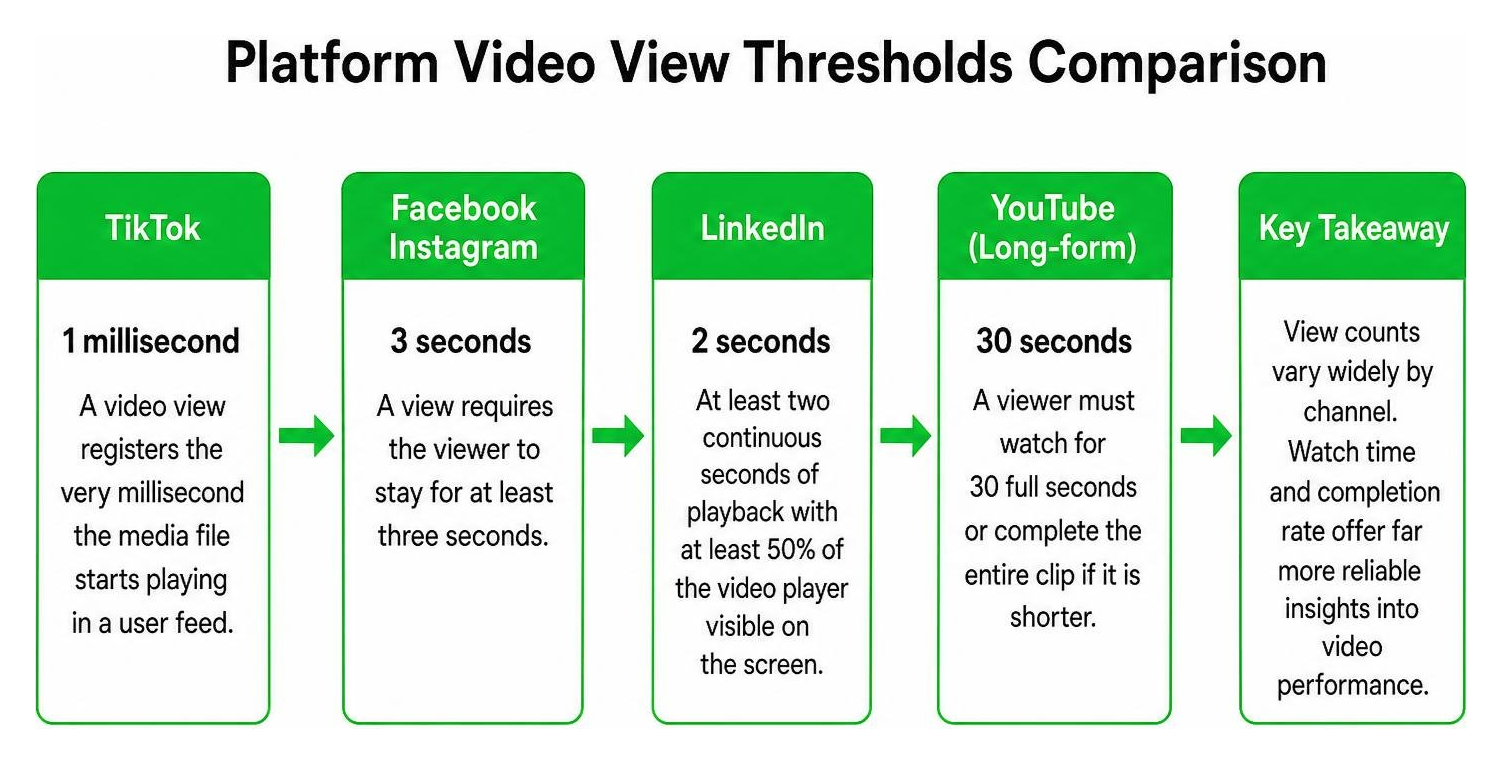
Video Performance Benchmarks and Watch Time
Video-view definitions vary by platform, so raw views are not directly comparable. TikTok counts playback immediately, while other platforms require viewers to watch for different lengths of time.
Watch time and completion rate are more reliable benchmarks. Retention curves reveal where viewers leave and whether the opening hook needs work.
Follower Reach Versus Recommended Feeds
Social networks increasingly deliver content based on user interest rather than follower lists. Most younger users treat TikTok, Instagram, and YouTube like search engines to discover new brands. Tracking how many non-followers view your content helps determine how many social media channels your team can sustainably support while expanding audience reach.
Connecting Social Engagement to Real Business Results

Vanity metrics can look impressive on slides, but high view counts mean little when they do not attract target buyers. Measure impact by connecting visibility to qualified leads.
A clear measurement plan links social engagement directly to the customer journey. Buyers often interact with posts for months before reaching out to sales. Tracking buyer touchpoints and sign-ups ensures that every social media marketing strategy includes clear, measurable business value.
Strategic Frameworks for Social Media Reporting and Dashboard Design
Effective dashboards balance brand building with demand generation. Keep most content educational, reserve some space for timely industry insight, and use promotional calls to action selectively.
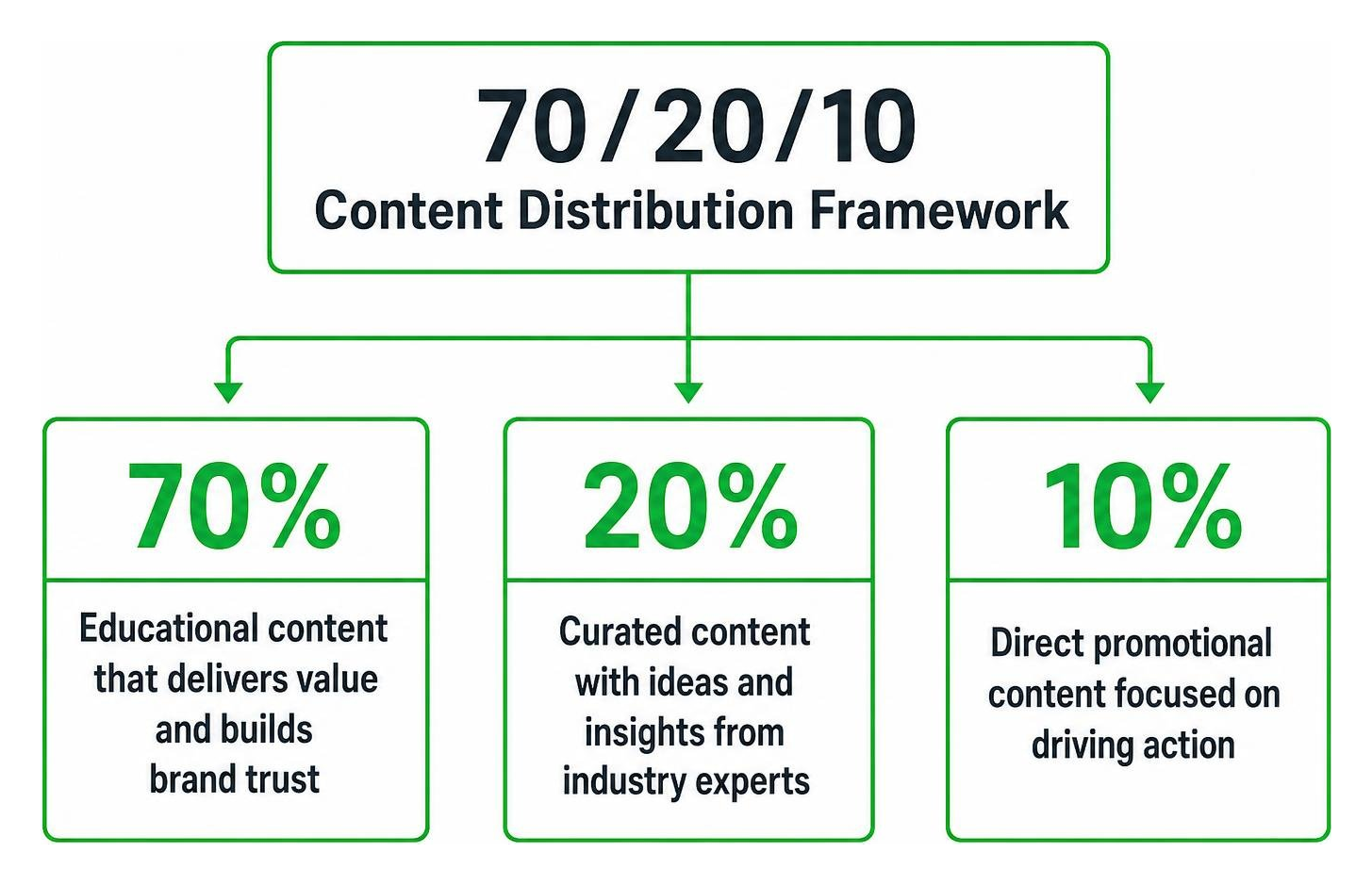
Organize reporting across three tiers: operational activity, audience perception, and pipeline impact. To convey the broader social media impact of campaigns, implement a structured rhythm by reviewing tactical metrics weekly, evaluating audience growth monthly, and presenting revenue attribution quarterly.
How do impressions differ from unique reach in analytics reports?
Impressions count every view, including repeat views. Reach counts unique accounts. Comparing the two shows average view frequency.
Conclusion
Effective social media measurement looks beyond vanity metrics. Review reach, engagement, retention, and attribution together to refine your marketing engine.
At CC&A Strategic Media, we pair analytics and marketing strategy to build scalable brand equity and pipeline. If you want to refine your measurement frameworks and turn social performance into measurable growth, consult with Reagan Collins to build an integrated strategy for your team.