
The project manager of a website redesign has a formidable task, and poor planning could cost the company time and money. Before getting started, any project manager will want to be familiar with the process. Here are seven steps to help you efficiently guide the project across the finish line.

Executive Report


Executive Report
Subscribe today and receive top resources in your inbox
Subscribe-
From the Streets to the Conference Room: Kevin Johnson’s Real Life Redemption
In this episode of Executive Report, our Host Steve Taormino sits down with the Owner and CEO of Rea...
-
Michael Teitelbaum Celebrating Baltimore on a National Platform
Executive report host, Steve Taormino sits down with Michael Teitelbaum, President of Baltimore Maga...
-
Atlas Restaurants: Creating Unique Experiences Featuring Alex Smith & Steve Taormino
Host, Stephen Taormino, meets with Alex Smith, Founder of Atlas Restaurant Group to discuss building...
-
Working Through An Ever Changing World Of Change Featuring Chris McDonell & Steve Taormino.
Host, Stephen Taormino, meets with Chris McDonell, CEO of McDonell Consulting to discuss adapting to...
- View all




hide

hide

Executive Report
Subscribe today and receive top resources in your inbox
Subscribe-
From the Streets to the Conference Room: Kevin Johnson’s Real Life Redemption
In this episode of Executive Report, our Host Steve Taormino sits down with the Owner and CEO of Rea...
-
Michael Teitelbaum Celebrating Baltimore on a National Platform
Executive report host, Steve Taormino sits down with Michael Teitelbaum, President of Baltimore Maga...
-
Atlas Restaurants: Creating Unique Experiences Featuring Alex Smith & Steve Taormino
Host, Stephen Taormino, meets with Alex Smith, Founder of Atlas Restaurant Group to discuss building...
-
Working Through An Ever Changing World Of Change Featuring Chris McDonell & Steve Taormino.
Host, Stephen Taormino, meets with Chris McDonell, CEO of McDonell Consulting to discuss adapting to...
- View all
Why Modern Businesses Need Audience Insights Platforms
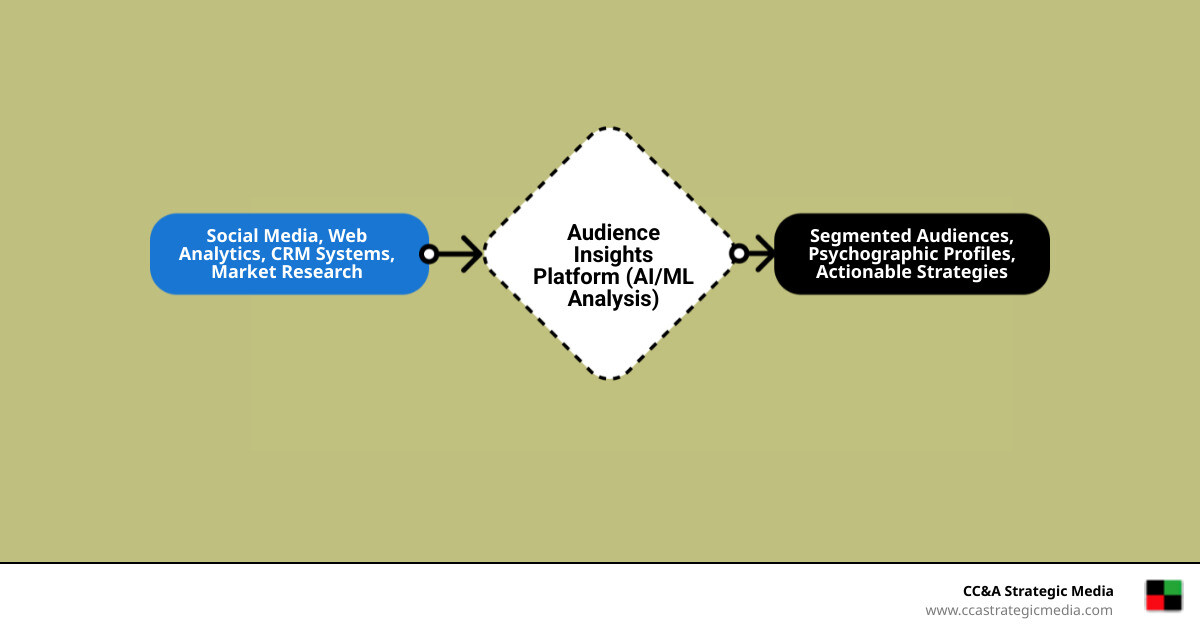
An audience insights platform is a technology solution that gathers, analyzes, and interprets data from multiple sources—like social media, website analytics, and CRM systems—to create a comprehensive understanding of target audiences. These platforms help businesses move beyond basic demographics to understand the motivations, behaviors, and affinities that drive consumer decisions.
Key Capabilities of Audience Insights Platforms:
- Data Aggregation – Unifies information from social media, web analytics, CRM, and surveys into one view
- Advanced Segmentation – Groups audiences by psychographics, behaviors, interests, and interconnections
- AI-Powered Analysis – Uses machine learning for sentiment analysis, topic detection, and predictive insights
- Real-Time Insights – Provides dynamic dashboards instead of static reports
- Actionable Intelligence – Transforms raw data into strategies for marketing, sales, and product teams
The problem most businesses face isn’t a lack of data—it’s drowning in disconnected information without a clear way to turn it into action. The best platforms aggregate global data, detecting sentiment and topics across numerous languages and markets.
The shift from guesswork to evidence-based decisions is no longer optional. Businesses using these platforms report tangible results, including significant increases in organic visibility, lead generation, and subscriber growth. These aren’t just vanity metrics—they represent real revenue and sustainable growth.
I’m Hailey Martinez, and with a background in integrated marketing communications and SEO, I’ve seen how audience insights platforms transform marketing effectiveness when businesses finally understand who their customers truly are and why they make decisions. Through my work with data-driven marketing strategies, I’ve helped teams move from assumptions to actionable intelligence that drives measurable results.
Core Capabilities: What to Expect from an Audience Insights Platform
This section details the essential features that transform raw data into strategic assets, enabling businesses to understand their audiences on a deeper level. At CC&A Strategic Media, we know that a truly effective audience insights platform provides a robust suite of tools that go beyond surface-level data, helping us craft strategies that genuinely resonate.
Comprehensive Data Aggregation
A leading audience insights platform brings together all the pieces of the puzzle, creating a complete picture of your audience. These platforms gather and interpret data from a vast array of sources for a holistic view.
The types of data integrated typically include:
- Social Media Data: Public posts, comments, and engagement metrics help us understand online conversations, topics, and sentiments.
- Website Analytics: Traffic patterns, user journeys, and conversion rates offer insights into how visitors interact with your digital presence.
- CRM Systems: Integrating customer data connects online behaviors with actual customer profiles and purchase histories. You can learn more about how this works with our guide on CRM Customer Relationship Management Icon With Keywords.
- Survey Data: Direct feedback from customers provides invaluable qualitative and quantitative insights into motivations and preferences.
- First-Party & Zero-Party Data: Data collected directly from your customers (e.g., website behavior) and data they willingly share (e.g., quiz responses) is highly valuable.
- Global Data Sources: Advanced platforms collect data from vast geographic areas, detecting sentiment and topics across languages to ensure comprehensive insights for any audience.
By unifying these diverse data streams, an audience insights platform enables us to move from fragmented data points to a cohesive, 360-degree customer view.
Advanced Audience Segmentation
Once data is aggregated, the real magic begins: segmentation. An audience insights platform dissects your audience into meaningful, actionable groups, going far beyond basic demographics.
Key aspects of advanced audience segmentation include:
- Demographics: Granular data on age, gender, location, and other traditional attributes.
- Psychographics: Machine learning analyzes personality traits, values, attitudes, and lifestyles to reveal the “why” behind behavior.
- Behavioral Patterns: Analysis of online behaviors, such as content consumption, purchasing habits, and website interactions.
- Interests & Affinities: Identification of shared interests and affinities, revealing what content and topics resonate most with different communities.
- Interconnectivity Analysis: Mapping relationships within an audience helps identify influencers and understand community structures.
- Custom Segment Creation: The flexibility to create custom segments based on specific criteria like social profiles, engagement, or geo-location allows for the development of highly specific buyer personas.
This precision allows us to tailor our strategies with remarkable accuracy, identifying niche audiences like “marathon-running millennials” or “fashionista film fans.”
The Power of AI and Machine Learning
Artificial Intelligence (AI) and Machine Learning (ML) are the engines that power modern audience insights platforms, turning raw data into actionable intelligence.
Here’s how AI and ML provide insights:
- Sentiment Analysis: AI algorithms process text from social media, reviews, and surveys to determine the emotional tone—positive, negative, or neutral—associated with a brand or topic.
- Topic Detection: ML models identify recurring themes and emerging topics within conversations, helping us understand what our audience cares about.
- Emotion Recognition: Some platforms can detect specific emotions like joy or anger, providing a more nuanced understanding of audience reactions.
- Predictive Segments: AI can analyze historical data to predict future actions or identify segments most likely to convert.
- AI Assistants for Natural Language Queries: Some platforms integrate AI assistants that provide instant insights from survey data using natural language. Others offer “plug-ins” that connect verified consumer data into popular AI tools, ensuring outputs are fueled by trustworthy data.
- Anomaly Detection: ML algorithms can spot unusual patterns or sudden shifts in audience behavior that might indicate a new crisis or opportunity.
The integration of AI ensures that our insights are not only comprehensive but also intelligent and forward-looking, revealing how large language models (LLMs) discuss a brand, which is increasingly important for winning AI search.

Audience Intelligence vs. Traditional Tools: A Necessary Evolution
Understanding the key differences highlights why modern businesses are shifting towards more dynamic solutions for consumer research. For us at CC&A Strategic Media, it’s about moving from simply observing to truly understanding.
Beyond Social Listening
While social listening tools are great for monitoring online conversations, an audience insights platform represents a significant evolution.
- Social Listening Focus: Reactive. It tracks keywords and brand mentions to tell you what is being said. It’s excellent for crisis management and monitoring popular topics.
- Audience Intelligence Focus: Proactive. It goes beyond what is being said to uncover who is saying it, why they’re saying it, and how they are connected. It reveals psychographics, interests, and behaviors to understand the people behind the data.
This shift enables more effective social media engagement strategies, moving from broad outreach to highly targeted interactions.
Modernizing Market Research
Traditional market research, like surveys and focus groups, provides a valuable but static snapshot. Modern audience insights platforms offer a more dynamic alternative.
- Traditional Research: Often slow and expensive, providing data that can quickly become outdated.
- Audience Platforms: Offer real-time data and dynamic dashboards. They continuously collect and analyze information, allowing for agile strategies that adapt to changing market conditions.
This modernization allows for a continuous, evolving understanding of your target market, making strategies more responsive.
Here’s a quick comparison:
| Feature | Traditional Market Research | Social Listening | Audience Intelligence Platforms |
|---|---|---|---|
| Speed | Slow (weeks to months) | Real-time | Real-time & continuous |
| Scope | Limited (survey respondents, focus groups) | Specific keywords/mentions | Holistic (demographics, psychographics, behaviors, affinities, sentiment) |
| Data Type | Primarily survey/qualitative | Public social data | Aggregated: social, web, CRM, survey, first-party, zero-party |
| Focus | What people say | What people say about a topic | Who people are, why they act, how they’re connected |
| Actionability | Strategic planning (long-term) | Reactive monitoring, trend spotting | Proactive strategy, personalization, predictive insights |
| Cost | High (per project) | Moderate (subscription) | Moderate to High (subscription, advanced features) |
Opening up Growth Across Your Business: Key Benefits
An audience insights platform isn’t just a marketing tool; it’s a strategic asset that provides tangible benefits across various departments, fostering a more customer-centric organization. For us at CC&A Strategic Media, leveraging these platforms means driving growth from every angle.
For Marketing and Sales Teams
For marketing and sales, these insights allow for more precise and effective outreach.
- Hyper-Targeted Campaigns: Understanding granular audience segments—including their psychographics and interests—allows for campaigns that speak directly to their needs, boosting engagement and conversions.
- Personalized Messaging: Knowing what motivates different segments helps us craft custom messaging for various platforms, ensuring the content resonates deeply.
- Data-Driven Creative: Insights into audience affinities inform our creative choices, from ad copy to visual design, making our content marketing efforts more effective.
- High-Intent Lead Signals: By tracking engagement across touchpoints, sales teams can identify prospects who are actively researching and ready to buy, focusing efforts on the most promising leads.
- Improved Lead Scoring: We can score leads based on valuable actions, improving the efficiency of our lead generation efforts in line with lead scoring best practices.
These insights lead to more personalized marketing campaigns, increased customer engagement, and higher conversions.
For Product and Strategy Teams
Beyond marketing, an audience insights platform is a powerful tool for product development and business strategy.
- Informing Product Features: Analyzing user behavior, feedback, and market trends helps product teams identify unmet needs and validate new feature ideas.
- Validating Market Fit: Before launch, these platforms help assess demand and understand competitive landscapes, ensuring a stronger market fit.
- Reducing Customer Churn: Monitoring customer sentiment and behavior can identify early warning signs of dissatisfaction, allowing teams to intervene proactively.
- Identifying Market Gaps: Analyzing audience conversations can reveal lucrative market gaps for new products or services.
- Understanding the User Journey: Capturing the entire content journey provides a comprehensive view of how users interact with products, which is invaluable for refining the user experience.
By providing trusted insights, these platforms empower teams to build better products and make smarter, customer-driven decisions.
Choosing the Right Audience Insights Platform for Your Needs
Not all platforms are created equal. The best choice depends on your primary goals, whether it’s understanding deep motivations, tracking real-time trends, or optimizing user behavior. At CC&A Strategic Media, we understand that selecting the right tool is paramount to achieving your strategic objectives.
Survey-Based Consumer Research Approaches
These platforms excel at getting to the “why.” They are built on extensive consumer panels and robust survey methodologies, providing deep psychological and attitudinal insights.
- Focus on the “Why”: These platforms dig into consumer motivations, values, and beliefs, providing rich psychographic data that helps understand the drivers of behavior.
- Deep Psychographics: By surveying millions of individuals, these platforms offer detailed profiles of consumer segments, including their lifestyles and personality traits.
- Global Consumer Panels: The most robust platforms survey real people around the world, covering dozens of markets and representing billions of consumers. This provides reliable research for staying ahead of changing consumer behavior.
- Pre-built and Custom Surveys: They offer access to vast libraries of pre-existing data and the flexibility to conduct custom surveys for specific needs.
- Ideal for Brand Strategy: These insights are crucial for developing brand narratives, positioning, and long-term Marketing Strategy.
For businesses looking to build a strong brand identity, a survey-based approach provides the foundational understanding needed to predict marketing success.
Social & Web Data-Centric Audience Insights Approaches
These platforms shine when you need to know “what” people are doing and “who” they are in real-time.
- Focus on the “What” and “Who”: These tools analyze public conversations and digital interactions to understand current trends and the individuals driving them.
- Real-Time Conversation Analysis: They continuously monitor social media and web data for immediate insights into emerging discussions and sentiment shifts across many languages and countries.
- Cultural Trend Spotting: By analyzing vast datasets, these platforms can identify cultural shifts and micro-trends before they become mainstream.
- Affinity and Interconnectivity Analysis: They map out audience affinities and connections, revealing influential individuals and tightly-knit communities.
- Influencer Identification: These platforms provide data to accurately identify influencers based on attributes like language, follower count, and engagement rate, ensuring genuine impact.
- Best for Content and PR: The real-time nature makes them perfect for Public Relations Services, content creation, and understanding digital communities.
If your strategy relies heavily on digital engagement and content, a social and web data-centric approach is indispensable.
Product & Web Analytics as Audience Insights Approaches
These platforms focus on the “how”—how users interact with your digital products and websites.
- Focus on the “How”: These tools track user behavior within apps and on websites, detailing every click, scroll, and interaction.
- On-site User Behavior: They provide granular data on user journeys, feature adoption, drop-off points, and conversion funnels.
- A/B Testing and Experimentation: They facilitate experimentation, allowing you to test different features or designs and measure their impact on user behavior.
- Session Replays: Some platforms offer session replay, enabling you to watch recordings of user sessions to understand the behavior behind the metrics.
- Conversion Funnel Optimization: By pinpointing where users drop off in a conversion funnel, these platforms help identify areas for improvement.
- Crucial for Development: These insights are directly actionable for Web Development and product-led growth, helping teams build more effective digital experiences.
For businesses focused on digital product growth, these analytics-driven platforms provide the detailed behavioral insights needed to continuously improve.
Measuring Success and Future-Proofing Your Strategy
Investing in an audience insights platform is just the first step. Measuring its impact and staying ahead of trends is key to long-term success, ensuring your investment pays dividends. We believe in demonstrating clear ROI and preparing for what’s next.
Calculating the ROI of Your Investment
Measuring the Return on Investment (ROI) from an audience insights platform is crucial to justify the expenditure and demonstrate its value. These platforms provide ample data to track tangible improvements.
Key metrics to consider include:
- Increased Conversion Rates: By personalizing campaigns and optimizing user journeys, businesses often see a direct uplift in conversions, from sales to sign-ups.
- Reduced Customer Acquisition Cost (CAC): More targeted marketing means less wasted ad spend, leading to a lower cost to acquire new customers.
- Improved Customer Lifetime Value (LTV): Better understanding and personalization can lead to higher customer satisfaction and loyalty, boosting LTV.
- Improved Engagement Metrics: Significant increases in organic visibility, web views, and social engagement directly reflect a better audience understanding.
- Sales Pipeline Acceleration: For B2B, these platforms can dramatically improve lead quality and sales efficiency, leading to more demo requests and a healthier sales pipeline.
- Overall Business Growth: These improvements contribute to top-line growth, with some companies achieving impressive year-over-year growth and a strong ROI within months of implementation.
By tracking these metrics, we can clearly demonstrate the financial benefits of leveraging an audience insights platform for our marketing services. If you need a refresher on how ROI is typically calculated, the basic approach is outlined in resources like Return on investment.
The Future of Audience Intelligence
The field of audience intelligence is rapidly evolving, driven by advancements in AI and big data. We anticipate several key trends that will shape the future.
- Generative AI Integration: Expect deeper integration of generative AI, enabling users to plug verified consumer data into AI tools for more trustworthy outputs for content and strategy.
- AI Brand Visibility Management: As AI becomes more integrated into search, managing how your brand appears in generative AI answers will be crucial. Platforms are beginning to offer tools to increase visibility and credibility in these AI-driven conversations.
- Deeper Predictive Analytics: The ability to predict future audience behavior and market shifts will become more sophisticated, with AI providing proactive guidance.
- Hyper-Personalization at Scale: Advanced segmentation will enable businesses to deliver increasingly personalized experiences across every touchpoint.
- Improved Data Privacy Controls: As privacy regulations evolve, platforms will offer more robust data governance tools, ensuring compliance while still providing valuable insights.
The future of audience intelligence will empower businesses to not only react to consumer behavior but to anticipate it, creating truly insightful and impactful strategies.
Frequently Asked Questions about Audience Intelligence
What’s the difference between audience intelligence and social listening?
Social listening tracks keywords and mentions to tell you what people are saying. It’s like having a very efficient ear to the ground for brand mentions, industry trends, and crisis alerts. Audience intelligence platform goes a significant step further. It analyzes the people behind the conversations to tell you who they are, what motivates them, and how they are connected, enabling more strategic segmentation. It uncovers psychographics, behaviors, affinities, and interconnectivity, providing a deeper understanding of the human element behind the data.
What types of data do these platforms use?
They synthesize data from a wide range of sources to create a holistic view of an audience. This typically includes public social media conversations, search trends, news media, website analytics, CRM systems, and proprietary consumer survey panels. Additionally, they integrate first-party data (from your own digital properties) and zero-party data (information willingly shared by customers), ensuring a comprehensive and accurate picture of your target segments.
Can I get insights on any audience, even niche ones?
Yes, absolutely! Advanced audience insights platforms are specifically designed to go beyond broad demographics and identify highly specific, niche audiences. By combining multiple data points like interests, behaviors, demographics, and network connections, these platforms can uncover and analyze even very granular segments, such as ‘marathon-running millennials’ or ‘fashionista film fans.’ The power of machine learning allows them to find connections and patterns that traditional methods might miss, giving you detailed profiles of even the most specialized groups.
Conclusion: Turn Insights Into Action
An audience insights platform is no longer a luxury but a necessity for any business aiming to achieve meaningful growth. By moving beyond demographics and embracing the rich mix of psychographics, behaviors, and affinities, you can create strategies that resonate deeply and drive results. These platforms solve the core problem of fragmented data, providing a unified, intelligent view of your audience that empowers marketing, sales, and product teams.
From hyper-targeted campaigns and personalized messaging to informed product development and measurable ROI, the benefits are clear. As technology continues to advance with AI and machine learning, the future promises even deeper predictive insights and hyper-personalization.
At CC&A Strategic Media, we leverage a holistic approach, combining technology with a deep understanding of human psychology to help you connect with your audience. We believe that true growth comes from understanding not just what your audience does, but why they do it, and crafting strategies that speak directly to their hearts and minds. Learn more about our approach to audience engagement.

